Connect With Us
Blog
Items filtered by date: August 2024
Tuesday, 27 August 2024 00:00
Breaking Down Bunions
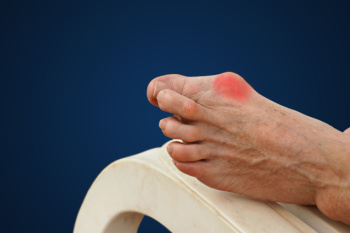
Bunions are bony bumps that form on the joint at the base of the big toe, causing the toe to deviate toward the others. This condition can be painful, particularly when wearing tight shoes or walking. Common causes of bunions include genetics, arthritis, foot injuries, and wearing poorly fitted shoes. Symptoms typically include swelling, redness, and soreness surrounding the big toe joint, along with visible deformity. Non-surgical treatments like wearing wider shoes and using orthotics can alleviate symptoms, while pain relief medications and stretching exercises may also help. In severe cases, surgery might be necessary to realign the toe and relieve pain. Complications can arise if bunions are left untreated, leading to chronic pain or difficulty in walking. Prevention strategies include wearing well-fitting shoes with ample toe space, avoiding high heels, and maintaining good foot care to reduce the risk of developing bunions. If you are experiencing discomfort from a bunion, it is suggested that you schedule an appointment with a podiatrist for appropriate treatment.
If you are suffering from bunions, contact Thomas Bobrowski, DPM of InStride Crystal Coast Podiatry. Our doctor can provide the care you need to keep you pain-free and on your feet.
What Is a Bunion?
A bunion is formed of swollen tissue or an enlargement of boney growth, usually located at the base joint of the toe that connects to the foot. The swelling occurs due to the bones in the big toe shifting inward, which impacts the other toes of the foot. This causes the area around the base of the big toe to become inflamed and painful.
Why Do Bunions Form?
Genetics – Susceptibility to bunions are often hereditary
Stress on the feet – Poorly fitted and uncomfortable footwear that places stress on feet, such as heels, can worsen existing bunions
How Are Bunions Diagnosed?
Doctors often perform two tests – blood tests and x-rays – when trying to diagnose bunions, especially in the early stages of development. Blood tests help determine if the foot pain is being caused by something else, such as arthritis, while x-rays provide a clear picture of your bone structure to your doctor.
How Are Bunions Treated?
- Refrain from wearing heels or similar shoes that cause discomfort
- Select wider shoes that can provide more comfort and reduce pain
- Anti-inflammatory and pain management drugs
- Orthotics or foot inserts
- Surgery
If you have any questions, please feel free to contact our office located in New Bern, NC . We offer the newest diagnostic and treatment technologies for all your foot care needs.
Tuesday, 20 August 2024 00:00
Understanding Common Causes of Gout
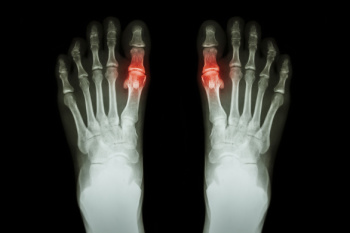
Gout is a painful form of arthritis caused by elevated levels of uric acid in the blood, which crystallize in the joints and commonly affect the big toe. Common causes of gout include high stress levels, which can trigger inflammatory responses and exacerbate symptoms. Fatigue also plays a role, as it can impair the body's ability to manage uric acid effectively. Joint injuries, such as those sustained during physical activities, can exacerbate gout attacks by causing localized inflammation. Additionally, diet significantly influences gout. Consuming foods high in purines, such as red meat, seafood, and sugary beverages, can increase uric acid levels. Managing stress, maintaining a balanced diet, and avoiding joint injuries are essential steps in preventing and controlling gout. If you have symptoms of gout, it is strongly suggested that you are under the care of a podiatrist who can help you to successfully manage this painful condition.
Gout is a painful condition that can be treated. If you are seeking treatment, contact Thomas Bobrowski, DPM from InStride Crystal Coast Podiatry. Our doctor will treat your foot and ankle needs.
What Is Gout?
Gout is a form of arthritis that is characterized by sudden, severe attacks of pain, redness, and tenderness in the joints. The condition usually affects the joint at the base of the big toe. A gout attack can occur at any random time, such as the middle of the night while you are asleep.
Symptoms
- Intense Joint Pain - Usually around the large joint of your big toe, and it most severe within the first four to twelve hours
- Lingering Discomfort - Joint discomfort may last from a few days to a few weeks
- Inflammation and Redness -Affected joints may become swollen, tender, warm and red
- Limited Range of Motion - May experience a decrease in joint mobility
Risk Factors
- Genetics - If family members have gout, you’re more likely to have it
- Medications - Diuretic medications can raise uric acid levels
- Gender/Age - Gout is more common in men until the age of 60. It is believed that estrogen protects women until that point
- Diet - Eating red meat and shellfish increases your risk
- Alcohol - Having more than two alcoholic drinks per day increases your risk
- Obesity - Obese people are at a higher risk for gout
Prior to visiting your podiatrist to receive treatment for gout, there are a few things you should do beforehand. If you have gout you should write down your symptoms--including when they started and how often you experience them, important medical information you may have, and any questions you may have. Writing down these three things will help your podiatrist in assessing your specific situation so that he or she may provide the best route of treatment for you.
If you have any questions, please feel free to contact our office located in New Bern, NC . We offer the newest diagnostic and treatment technologies for all your foot care needs.
Tuesday, 13 August 2024 00:00
Treating Clubfoot
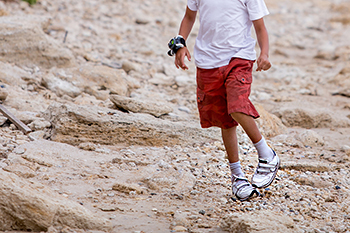 Clubfoot, or congenital talipes equinovarus, is a birth defect where a baby's foot is twisted out of shape or position, resembling the shape of a golf club. This condition affects the muscles, tendons, and bones, causing the foot to turn inward and downward. The exact cause of clubfoot is unknown, but it is believed to result from a combination of genetic and environmental factors. Family history increases the risk, and it is more common in boys than girls. Treatment typically begins shortly after birth with the Ponseti method, which involves gentle manipulation and casting to gradually correct the foot's position. In some cases, minor surgery may be necessary to lengthen the Achilles tendon. If your child was born with clubfoot, it is strongly suggested that you see a podiatrist as quickly as possible for treatment. Early and consistent care is essential to ensure normal foot function and to enable the child to walk and run without difficulty.
Congenital foot problems require immediate attention to avoid future complications. If you have any concerns, contact Thomas Bobrowski, DPM of InStride Crystal Coast Podiatry. Our doctor can provide the care you need to keep you pain-free and on your feet.
Congenital foot problems are deformities affecting the feet, toes, and/or ankles that children are born with. Some of these conditions have a genetic cause while others just happen. Some specific foot ailments that children may be born with include clubfeet, polydactyly/macrodactyly, and cleft foot. There are several other foot anomalies that can occur congenitally. What all of these conditions have in common is that a child may experience difficulty walking or performing everyday activities, as well as trouble finding footwear that fits their foot deformity. Some of these conditions are more serious than others. Consulting with a podiatrist as early as possible will help in properly diagnosing a child’s foot condition while getting the necessary treatment underway.
What are Causes of Congenital Foot Problem?
A congenital foot problem is one that happens to a child at birth. These conditions can be caused by a genetic predisposition, developmental or positional abnormalities during gestation, or with no known cause.
What are Symptoms of Congenital Foot Problems?
Symptoms vary by the congenital condition. Symptoms may consist of the following:
- Clubfoot, where tendons are shortened, bones are shaped differently, and the Achilles tendon is tight, causing the foot to point in and down. It is also possible for the soles of the feet to face each other.
- Polydactyly, which usually consists of a nubbin or small lump of tissue without a bone, a toe that is partially formed but has no joints, or an extra toe.
- Vertical talus, where the talus bone forms in the wrong position causing other bones in the foot to line up improperly, the front of the foot to point up, and the bottom of the foot to stiffen, with no arch, and to curve out.
- Tarsal coalition, when there is an abnormal connection of two or more bones in the foot leading to severe, rigid flatfoot.
- Cleft foot, where there are missing toes, a V-shaped cleft, and other anatomical differences.
- Macrodactyly, when the toes are abnormally large due to overgrowth of the underlying bone or soft tissue.
Treatment and Prevention
While there is nothing one can do to prevent congenital foot problems, raising awareness and receiving neonatal screenings are important. Early detection by taking your child to a podiatrist leads to the best outcome possible.
If you have any questions please feel free to contact our office located in New Bern, NC . We offer the newest diagnostic tools and technology to treat your foot and ankle needs.
Tuesday, 06 August 2024 00:00
The Importance of Diabetic Foot Care
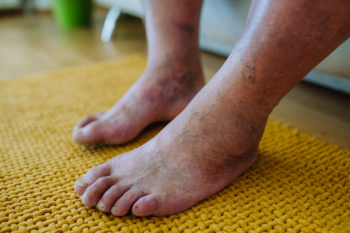
Diabetes can cause nerve damage and impair wound healing in the feet, leading to serious complications like ulcers. Proper foot care is essential for diabetics to maintain foot health. This includes always wearing well-fitting shoes to prevent injuries, even indoors, where unnoticed cuts can occur. Daily foot inspections are important in order to detect any abnormalities, such as abrasions or discolorations early. Promptly seeking care from a podiatrist for any concerning signs can prevent minor issues from escalating into ulcerated wounds, or gangrene. By prioritizing foot health with these proactive measures, diabetics can significantly reduce the risk of complications and ensure their feet remain healthy and functional. For detailed information on diabetic foot care as well as regular foot checkups, it is suggested you make an appointment with a podiatrist.
Diabetic foot care is important in preventing foot ailments such as ulcers. If you are suffering from diabetes or have any other concerns about your feet, contact Thomas Bobrowski, DPM from InStride Crystal Coast Podiatry. Our doctor can provide the care you need to keep you pain-free and on your feet.
Diabetic Foot Care
Diabetes affects millions of people every year. The condition can damage blood vessels in many parts of the body, especially the feet. Because of this, taking care of your feet is essential if you have diabetes, and having a podiatrist help monitor your foot health is highly recommended.
The Importance of Caring for Your Feet
- Routinely inspect your feet for bruises or sores.
- Wear socks that fit your feet comfortably.
- Wear comfortable shoes that provide adequate support.
Patients with diabetes should have their doctor monitor their blood levels, as blood sugar levels play such a huge role in diabetic care. Monitoring these levels on a regular basis is highly advised.
It is always best to inform your healthcare professional of any concerns you may have regarding your feet, especially for diabetic patients. Early treatment and routine foot examinations are keys to maintaining proper health, especially because severe complications can arise if proper treatment is not applied.
If you have any questions please feel free to contact our office located in New Bern, NC . We offer the newest diagnostic and treatment technologies for all your foot and ankle needs.
Friday, 02 August 2024 00:00
Are You Suffering From Ingrown Toenails?

If left untreated, an ingrown toenail can lead to more serious concerns, such as an infection. Knowing proper nail care can help in the prevention of an ingrown toenail. Give us a call, and get treated!
