Connect With Us
Blog
Items filtered by date: November 2024
Tuesday, 26 November 2024 00:00
Heel Pain in Active Children
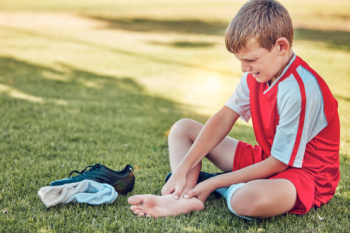
Heel pain is common among active children, especially those who engage in sports that involve running and jumping. One frequent cause of heel pain in young athletes is termed Sever’s disease, a condition that typically affects children between 8 and 14 years old. This condition arises when the growth area where the Achilles tendon connects to the heel bone becomes inflamed due to the rapid growth of bones and soft tissues during puberty. Signs of Sever’s disease include pain in one or both heels, especially during or after physical activity, limping, and a tendency to walk on tiptoe. Various factors, such as flat foot posture, increased weight, and changes in footwear, may contribute to the pain. A podiatrist can assess and help manage symptoms by recommending specific footwear, using orthotics if necessary, and educating on activity modification. This approach helps children stay active while minimizing heel pain. If your active child complains of heel pain, it is suggested that you make an appointment with a podiatrist for appropriate treatment.
Sever's disease often occurs in children and teens. If your child is experiencing foot or ankle pain, see Thomas Bobrowski, DPM from InStride Crystal Coast Podiatry. Our doctor can treat your child’s foot and ankle needs.
Sever’s Disease
Sever’s disease is also known as calcaneal apophysitis, which is a medical condition that causes heel pain I none or both feet. The disease is known to affect children between the ages of 8 and 14.
Sever’s disease occurs when part of the child’s heel known as the growth plate (calcaneal epiphysis) is attached to the Achilles tendon. This area can suffer injury when the muscles and tendons of the growing foot do not keep pace with bone growth. Therefore, the constant pain which one experiences at the back of the heel will make the child unable to put any weight on the heel. The child is then forced to walk on their toes.
Symptoms
Acute pain – Pain associated with Sever’s disease is usually felt in the heel when the child engages in physical activity such as walking, jumping and or running.
Highly active – Children who are very active are among the most susceptible in experiencing Sever’s disease, because of the stress and tension placed on their feet.
If you have any questions, please feel free to contact our office located in New Bern, NC . We offer the newest diagnostic and treatment technologies for all your foot and ankle injuries.
Tuesday, 19 November 2024 00:00
Causes and Relief From Flat Feet
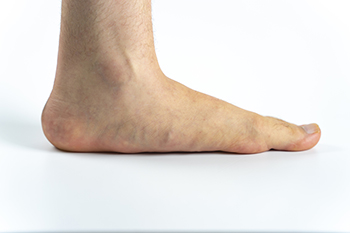
Flat feet, or fallen arches, occur when the natural arch in the foot is absent, leading to the entire sole making contact with the ground. While flat feet can be present from childhood, many people develop the condition later in life, known as adult-acquired flat feet. Causes include weakened or torn tendons, particularly the posterior tibial tendon, which supports the arch. Among other factors are arthritis, which can affect joint alignment, and injuries like bone fractures or ligament sprains that compromise foot structure. Obesity, diabetes, and even pregnancy can also increase the risk of developing flat feet by placing extra strain on the arches. Symptoms of adult flat feet often include foot, knee, or lower back pain, especially after extended standing or physical activity. Treatment from a podiatrist might involve custom orthotics, supportive footwear, or exercises to strengthen foot muscles. If you have flat feet that are problematic, it is suggested that you schedule an appointment with a podiatrist.
Flatfoot is a condition many people suffer from. If you have flat feet, contact Thomas Bobrowski, DPM from InStride Crystal Coast Podiatry. Our doctor will treat your foot and ankle needs.
What Are Flat Feet?
Flatfoot is a condition in which the arch of the foot is depressed and the sole of the foot is almost completely in contact with the ground. About 20-30% of the population generally has flat feet because their arches never formed during growth.
Conditions & Problems:
Having flat feet makes it difficult to run or walk because of the stress placed on the ankles.
Alignment – The general alignment of your legs can be disrupted, because the ankles move inward which can cause major discomfort.
Knees – If you have complications with your knees, flat feet can be a contributor to arthritis in that area.
Symptoms
- Pain around the heel or arch area
- Trouble standing on the tip toe
- Swelling around the inside of the ankle
- Flat look to one or both feet
- Having your shoes feel uneven when worn
Treatment
If you are experiencing pain and stress on the foot you may weaken the posterior tibial tendon, which runs around the inside of the ankle.
If you have any questions please feel free to contact our office located in New Bern, NC . We offer the newest diagnostic and treatment technologies for all your foot and ankle needs.
Tuesday, 12 November 2024 00:00
Causes and Symptoms of Bunions
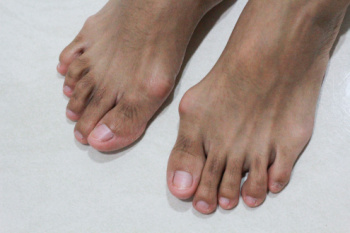
A bunion is a bony bump that forms on the joint at the base of the big toe, typically due to misalignment of some of the bones in the front of the foot. This misalignment can force the tip of the big toe toward the smaller toes, causing the base of the joint to protrude. Common causes of bunions include wearing tight or narrow footwear, hereditary foot shapes, and medical conditions like arthritis. Symptoms include swelling, redness, and persistent pain at the big toe joint. A podiatrist can assess the severity of the bunion and recommend appropriate treatment options. Non-surgical choices include wearing shoes with a wider toe box, using protective pads, or applying orthotic devices to redistribute pressure. If non-surgical measures are ineffective, surgery may be considered to realign the bones or remove inflamed tissue. If you have developed a bunion that is causing pain, it is suggested that you schedule an appointment with a podiatrist for an exam and treatment.
If you are suffering from bunion pain, contact Thomas Bobrowski, DPM of InStride Crystal Coast Podiatry. Our doctor can provide the care you need to keep you pain-free and on your feet.
What Is a Bunion?
Bunions are painful bony bumps that usually develop on the inside of the foot at the joint of the big toe. As the deformity increases over time, it may become painful to walk and wear shoes. Women are more likely to exacerbate existing bunions since they often wear tight, narrow shoes that shift their toes together. Bunion pain can be relieved by wearing wider shoes with enough room for the toes.
Causes
- Genetics – some people inherit feet that are more prone to bunion development
- Inflammatory Conditions - rheumatoid arthritis and polio may cause bunion development
Symptoms
- Redness and inflammation
- Pain and tenderness
- Callus or corns on the bump
- Restricted motion in the big toe
In order to diagnose your bunion, your podiatrist may ask about your medical history, symptoms, and general health. Your doctor might also order an x-ray to take a closer look at your feet. Nonsurgical treatment options include orthotics, padding, icing, changes in footwear, and medication. If nonsurgical treatments don’t alleviate your bunion pain, surgery may be necessary.
If you have any questions, please feel free to contact our office located in New Bern, NC . We offer the newest diagnostic and treatment technologies for all your foot care needs.
Tuesday, 05 November 2024 00:00
Risk Factors and Signs of Gout
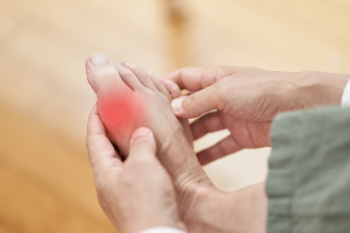
Gout is a form of inflammatory arthritis characterized by sudden and debilitating pain, swelling, and redness in the joints, often affecting the big toe. This condition arises from elevated levels of uric acid in the blood, leading to the formation of urate crystals in the joints. Several risk factors can increase the likelihood of developing gout, including a diet high in purines, which are found in foods such as red meat, shellfish, and alcohol. Obesity, certain medical conditions like hypertension and diabetes, and a family history of gout also contribute to risk. Common signs of gout include intense joint pain, particularly during the night, and tenderness or discomfort in the affected area. If you have had one or more gout episodes, it is suggested that you are under the care of a podiatrist who can help you to manage this condition.
Gout is a foot condition that requires certain treatment and care. If you are seeking treatment, contact Thomas Bobrowski, DPM from InStride Crystal Coast Podiatry. Our doctor will treat your foot and ankle needs.
What Is Gout?
Gout is a type of arthritis caused by a buildup of uric acid in the bloodstream. It often develops in the foot, especially the big toe area, although it can manifest in other parts of the body as well. Gout can make walking and standing very painful and is especially common in diabetics and the obese.
People typically get gout because of a poor diet. Genetic predisposition is also a factor. The children of parents who have had gout frequently have a chance of developing it themselves.
Gout can easily be identified by redness and inflammation of the big toe and the surrounding areas of the foot. Other symptoms include extreme fatigue, joint pain, and running high fevers. Sometimes corticosteroid drugs can be prescribed to treat gout, but the best way to combat this disease is to get more exercise and eat a better diet.
If you have any questions please feel free to contact our office located in New Bern, NC . We offer the newest diagnostic and treatment technologies for all your foot and ankle needs.
Friday, 01 November 2024 00:00
Arthritis Can Cause Pain in the Feet and Ankles
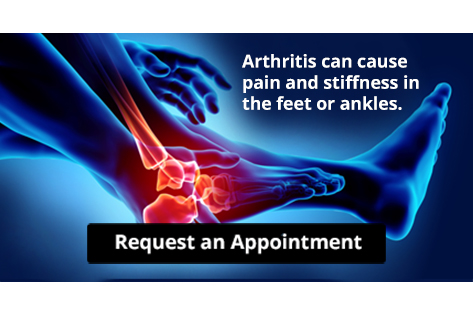
If you are suffering from tenderness, pain, or stiffness in the joints of your feet or ankles, call us to schedule an appointment.
