Ankle pain in runners can be a common and debilitating issue, often stemming from overuse or improper technique. The ankle is composed of three main bones, which are the tibia, the fibula, and the talus. The tibia and fibula form the lower part of the leg and create the ankle joint by connecting to the talus, which sits above the heel bone. This structure allows for the necessary movement and stability needed during running. An ankle sprain occurs when the ligaments surrounding the ankle joint are stretched or torn, usually due to an awkward landing or sudden twist. Symptoms can include swelling, bruising, pain, and difficulty bearing weight on the affected foot. Ankle pain can hinder daily activities. If you enjoy running and have a foot or ankle injury, it is suggested that you consult a podiatrist who can offer effective treatment solutions, and help you with prevention tips.
Sports related foot and ankle injuries require proper treatment before players can go back to their regular routines. For more information, contact Thomas Bobrowski, DPM of InStride Crystal Coast Podiatry. Our doctor can provide the care you need to keep you pain-free and on your feet.
Sports Related Foot and Ankle Injuries
Foot and ankle injuries are a common occurrence when it comes to athletes of any sport. While many athletes dismiss the initial aches and pains, the truth is that ignoring potential foot and ankle injuries can lead to serious problems. As athletes continue to place pressure and strain the area further, a mild injury can turn into something as serious as a rupture and may lead to a permanent disability. There are many factors that contribute to sports related foot and ankle injuries, which include failure to warm up properly, not providing support or wearing bad footwear. Common injuries and conditions athletes face, including:
Plantar Fasciitis
Plantar Fasciosis
Achilles Tendinitis
Achilles Tendon Rupture
Ankle Sprains
Sports related injuries are commonly treated using the RICE method. This includes rest, applying ice to the injured area, compression and elevating the ankle. More serious sprains and injuries may require surgery, which could include arthroscopic and reconstructive surgery. Rehabilitation and therapy may also be required in order to get any recovering athlete to become fully functional again. Any unusual aches and pains an athlete sustains must be evaluated by a licensed, reputable medical professional.
If you have any questions please feel free to contact our office located in New Bern, NC . We offer the newest diagnostic and treatment technologies for all your foot and ankle needs.
Diabetes, a chronic condition marked by high blood sugar levels, can significantly affect foot health, leading to complications such as cracked heels. Diabetes impairs circulation and causes neuropathy, which reduces sensation in the feet. This lack of sensation makes it harder to notice dry skin and small cracks, allowing them to worsen unnoticed. Cracked heels occur when the skin surrounding the heels becomes dry and thickens, leading to fissures that can be painful and prone to infection. Poor blood circulation in diabetic patients further hampers the healing process, increasing the risk of complications. To prevent and treat cracked heels, maintain proper foot hygiene and moisturize daily, focusing on the heels. Avoid soaking feet too long, as this can dry out the skin further. Wear supportive, well-fitting shoes to reduce pressure on the heels, and regularly inspect feet for cracks or sores. For persistent or severe cases of cracked heels, it is suggested that you seek the counsel of a podiatrist who can provide specialized care and recommend appropriate treatments.
Cracked heels are unsightly and can cause further damage to your shoes and feet. If you have any concerns, contact Thomas Bobrowski, DPM from InStride Crystal Coast Podiatry. Our doctor can provide the care you need to keep you pain-free and on your feet.
Cracked Heels
Cracked heels appear unappealing and can make it harder for you walk around in sandals. Aside from looking unpleasant, cracked heels can also tear stockings, socks, and wear out your shoes. There are several methods to help restore a cracked heel and prevent further damage.
How Do You Get Them?
Dry skin is the number one culprit in creating cracked heels. Many athletes, walkers, joggers, and even swimmers suffer from cracked heels. Age and skin oil production play a role to getting cracked heels as well.
Promote Healing
Over the counter medicines can help, especially for those that need instant relief or who suffer from chronic dry feet.
Wear Socks – Wearing socks with medicated creams helps lock in moisture.
Moisturizers – Applying both day and night will help alleviate dryness which causes cracking.
Pumice Stones – These exfoliate and remove dead skin, which allows for smoother moisturizer application and better absorption into the skin.
Change in Diet
Eating healthy with a well-balanced diet will give the skin a fresh and radiant look. Your body responds to the kinds of food you ingest. Omega-3 fatty acids and zinc supplements can also revitalize skin tissue.
Most importantly, seek professional help if unsure how to proceed in treating cracked heels. A podiatrist will help you with any questions or information needed.
If you have any questions, please feel free to contact our office located in New Bern, NC . We offer the newest diagnostic and treatment technologies for all your foot care needs.
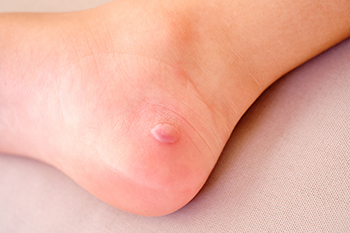
Diabetic foot blisters are a concerning complication for people managing diabetes, primarily due to nerve damage and poor circulation. Friction blisters often occur in diabetics with neuropathy, where the lack of pain sensation leads to unnoticed skin rubbing and blister formation. One type of blister specific to diabetes can appear spontaneously and without inflammation, while posing a high risk for secondary infections. Certain fungal infections also contribute to blister formation, especially in warm, moist areas, such as between the toes. A podiatrist plays an essential role in managing these complications by providing regular foot exams and identifying early signs of blister formation. This foot doctor also can educate patients on proper foot care practices to prevent blisters, such as choosing suitable footwear and maintaining good hygiene. For fungal infections, a podiatrist can prescribe effective antifungal medications and monitor the healing process. If you are experiencing diabetic foot blisters, it is suggested that you make an appointment with a podiatrist for an exam and treatment.
Blisters are prone to making everyday activities extremely uncomfortable. If your feet are hurting, contact Thomas Bobrowski, DPM of InStride Crystal Coast Podiatry. Our doctor can provide the care you need to keep you pain-free and on your feet.
Foot Blisters
Foot blisters develop as a result of constantly wearing tight or ill-fitting footwear. This happens due to the constant rubbing from the shoe, which can often lead to pain.
What Are Foot Blisters?
A foot blister is a small fluid-filled pocket that forms on the upper-most layer of the skin. Blisters are filled with clear fluid and can lead to blood drainage or pus if the area becomes infected.
How Do Blisters Form?
Blisters on the feet are often the result of constant friction of skin and material, usually by shoe rubbing. Walking in sandals, boots, or shoes that don’t fit properly for long periods of time can result in a blister. Having consistent foot moisture and humidity can easily lead to blister formation.
Prevention & Treatment
It is important to properly care for the affected area in order to prevent infection and ease the pain. Do not lance the blister and use a Band-Aid to provide pain relief. Also, be sure to keep your feet dry and wear proper fitting shoes. If you see blood or pus in a blister, seek assistance from a podiatrist.
If you have any questions, please feel free to contact our office located in New Bern, NC . We offer the newest diagnostic and treatment technologies for all your foot care needs.


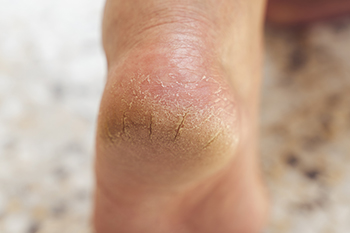 Diabetes, a chronic condition marked by high blood sugar levels, can significantly affect foot health, leading to complications such as cracked heels. Diabetes impairs circulation and causes neuropathy, which reduces sensation in the feet. This lack of sensation makes it harder to notice dry skin and small cracks, allowing them to worsen unnoticed. Cracked heels occur when the skin surrounding the heels becomes dry and thickens, leading to fissures that can be painful and prone to infection. Poor blood circulation in diabetic patients further hampers the healing process, increasing the risk of complications. To prevent and treat cracked heels, maintain proper foot hygiene and moisturize daily, focusing on the heels. Avoid soaking feet too long, as this can dry out the skin further. Wear supportive, well-fitting shoes to reduce pressure on the heels, and regularly inspect feet for cracks or sores. For persistent or severe cases of cracked heels, it is suggested that you seek the counsel of a podiatrist who can provide specialized care and recommend appropriate treatments.