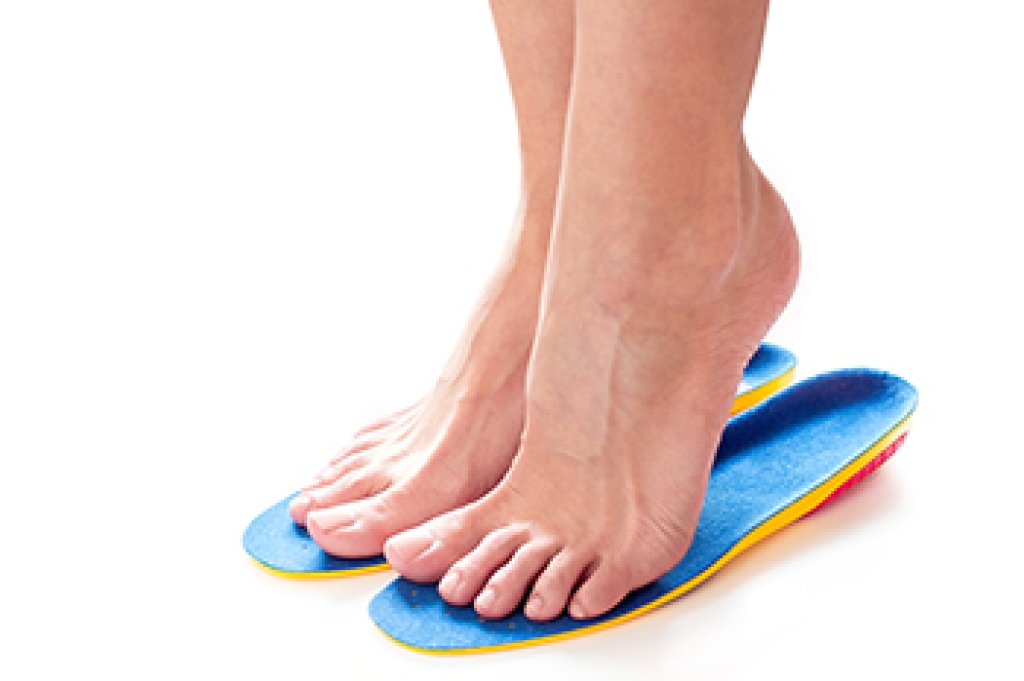
Malalignment syndrome occurs when the bones, joints, or soft tissues of the lower body do not work in proper alignment during movement. This can affect gait, which is the pattern used. Signs include uneven steps, foot pain, or repeated strain in the ankles. Some people notice one foot turning inward or outward. Others may develop knee or hip discomfort because the body compensates for poor alignment. Risk factors include structural differences, previous injuries, or muscle imbalance.
Gait problems can develop when the feet do not provide proper support during each step. Excessive pronation, limited foot motion, or an unstable arch may change how force travels through the legs. These changes can contribute to malalignment syndrome. Orthotics may help by providing targeted support inside shoes. A properly designed device can guide foot motion. This may improve stability while reducing stress on areas that work too hard.
A podiatrist can evaluate gait by observing how the feet and legs move while standing and walking. The examination may include checking joint motion and foot structure. The podiatrist may also review footwear and previous injuries. If orthotics are appropriate, measurements or a digital foot scan can help create a personalized device. The orthotic may support the arch, control excessive motion, or improve pressure distribution. Follow-up visits allow the podiatrist to assess comfort and make adjustments as needed.
The design of orthotics should match the cause of malalignment and the patient’s daily activities. Consistent use may improve walking mechanics. Patients should follow their podiatrist’s instructions about gradually increasing wear. Persistent pain, changes in walking, or recurring foot discomfort deserves professional attention. If you have concerns about your gait, it is suggested that you consult a podiatrist who can determine which type of orthotics are right for you.
Custom orthotics can make a remarkable difference in daily comfort and mobility by supporting the feet in their most natural and balanced position. Because the feet form the foundation for the entire body, any imbalance can affect not only how a person walks, but also how the knees, hips, and spine align. Over time, this can lead to fatigue, pain, or reduced movement. Custom orthotics are designed to restore stability and promote proper alignment, which can transform the way a person feels and functions throughout the day.
People who wear custom orthotics often experience improved posture, less joint strain, and greater endurance during work, exercise, and leisure activities. The support they provide helps relieve chronic discomfort from conditions such as plantar fasciitis, flat feet, and heel pain, while also reducing the risk of future injuries. For those who stand for long hours or engage in sports, orthotics can make movement smoother and more efficient, allowing the body to perform at its best without unnecessary stress.
Each pair of custom orthotics is created after a detailed evaluation of foot structure, gait, and pressure distribution. By addressing each person’s unique needs, they offer comfort and confidence with every step.
If you are experiencing ongoing foot discomfort or fatigue, it is suggested that you contact our office for more information or to make an appointment.
If you have any questions, please feel free to contact our office located in New Bern, NC .
