
If left untreated, an ingrown toenail can lead to more serious concerns, such as an infection. Knowing proper nail care can help in the prevention of an ingrown toenail. Give us a call, and get treated!
If left untreated, an ingrown toenail can lead to more serious concerns, such as an infection. Knowing proper nail care can help in the prevention of an ingrown toenail. Give us a call, and get treated!

An ingrown toenail develops when the edge of a toenail grows into the surrounding skin instead of over it. This problem most often affects the big toe and can become increasingly painful if it is not treated. Several factors may contribute to an ingrown toenail, including improper nail trimming, tight-fitting shoes, or an injury to the toe. As the nail continues to press into the skin, irritation and inflammation may develop around the nail border. In some cases, bacteria can enter the damaged skin and lead to an infection. Because symptoms often worsen, a professional evaluation is important to identify the problem early and recommend appropriate treatment. Prompt podiatry care may also help prevent recurring ingrown toenails and protect overall foot health.
Symptoms of an ingrown toenail often begin with tenderness along one side of the nail. As the condition progresses, many people notice redness, swelling, or increasing pain while walking or wearing shoes. The affected area may also become warm to the touch or produce drainage if an infection develops. Everyday activities can become uncomfortable because even light pressure on the toe may cause significant discomfort. Although an ingrown toenail may seem minor at first, delaying treatment can allow inflammation and pain to become more severe. Identifying the cause early may help reduce complications and support a faster recovery.
A podiatrist specializes in diagnosing and treating ingrown toenails and other conditions affecting the feet. During an examination, the podiatrist evaluates the affected toe, determines the severity of the problem, and develops an individualized treatment plan. Treatment focuses on relieving pain, addressing infection when present, and helping prevent future nail problems. Early podiatry care may also improve comfort, restore normal toe function, and reduce the risk of recurring symptoms. If you are experiencing toe pain, swelling, or redness from an ingrown toenail, it is suggested that you consult a podiatrist for an evaluation and appropriate treatment options.
Ingrown toenails can become painful if they are not treated properly. For more information about ingrown toenails, contact Thomas Bobrowski, DPM of InStride Crystal Coast Podiatry. Our doctor can provide the care you need to keep you pain-free and on your feet.
Ingrown Toenails
Ingrown toenails occur when a toenail grows sideways into the bed of the nail, causing pain, swelling, and possibly infection.
Causes
Prevention
Wearing proper fitting shoes and using proper cutting techniques will also help decrease your risk of developing ingrown toenails.
Treatment
Ingrown toenails are a very treatable foot condition. In minor cases, soaking the affected area in salt or antibacterial soaps will not only help with the ingrown nail itself, but also help prevent any infections from occurring. In more severe cases, surgery is an option. In either case, speaking to your podiatrist about this condition will help you get a better understanding of specific treatment options that are right for you.
If you have any questions, please feel free to contact our office located in New Bern, NC . We offer the newest diagnostic and treatment technologies for all your foot care needs.

Diagnosing and treating corns on the feet begins with understanding what they are and why they develop. Corns are small, well-defined areas of thickened, hardened skin that form after repeated rubbing, friction, or pressure. They usually appear on bony parts of the toes or between the toes. Unlike calluses, which cover broader areas, corns have a hard center that can press into the deeper tissue, and cause sharp pain while walking or standing. A podiatrist carefully examines the affected area to confirm that the problem is a corn and not another condition, like a wart. This evaluation also helps identify the source of the pressure, so treatment addresses the cause instead of only the thickened skin.
The location, shape, and appearance of the thickened skin provide valuable clues. The doctor also checks for toe alignment, areas of repeated pressure, and shoes that lack proper support. Soft corns usually develop between the toes where moisture increases friction. Hard corns usually form on dry skin over bony joints. Tiny seed corns can develop on the ball of the foot. Finding the exact cause helps guide treatment and lowers the chance that the corn will quickly return. Patients with diabetes or poor circulation need prompt evaluation, because even minor skin problems can become more serious.
Treatment focuses on relieving pressure and removing the thickened skin safely. A podiatrist can carefully trim away the hardened tissue using sterile instruments. This makes walking more comfortable. Padding can also protect the area from continued friction. Shoe recommendations or custom orthotics can improve foot alignment and reduce repeated pressure that causes corns to form. When severe corns continue to return because of a bone or toe problem, surgery may be suggested to correct the underlying cause. If you have a painful corn, it is suggested that you schedule an appointment with a podiatrist for a diagnosis and appropriate treatment.
Corns can make walking very painful and should be treated immediately. If you have questions regarding your feet and ankles, contact Thomas Bobrowski, DPM of InStride Crystal Coast Podiatry. Our doctor will treat your foot and ankle needs.
Corns: What Are They? And How Do You Get Rid of Them?
Corns are thickened areas on the skin that can become painful. They are caused by excessive pressure and friction on the skin. Corns press into the deeper layers of the skin and are usually round in shape.
Ways to Prevent Corns
There are many ways to get rid of painful corns such as:
Treating Corns
Although most corns slowly disappear when the friction or pressure stops, this isn’t always the case. Consult with your podiatrist to determine the best treatment option for your case of corns.
If you have any questions, please feel free to contact our office located in New Bern, NC . We offer the newest diagnostic and treatment technologies for all your foot care needs.

Flat feet? Rise above the discomfort with Custom Orthotics. Specifically designed to support the arch and align the foot, Custom Orthotics can be a game-changer for those with flat feet. They help in distributing weight evenly, preventing undue stress and potential pain. Walk, run, or stand with newfound confidence, knowing your feet have the support they've been missing. Want to explore the benefits of Custom Orthotics tailored for flat feet? Contact us today!
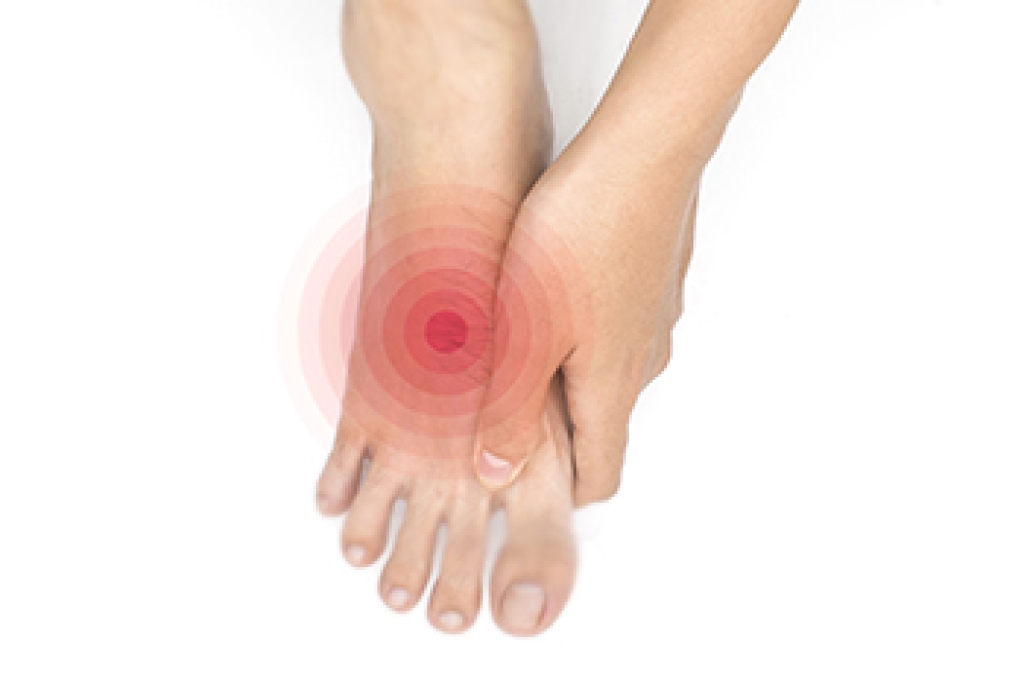
Foot pain from diabetes is a common and serious condition that develops when prolonged high blood sugar damages nerves and blood vessels. This condition is known as diabetic neuropathy and often affects the feet first, due to their distance from the heart and reduced circulation. Over time, nerve damage disrupts normal sensation, making it difficult to feel temperature changes, pressure, or even injuries. Many individuals describe this pain as burning, tingling, or sharp discomfort. The condition may begin subtly, but can progress into persistent pain that interferes with daily activities. Early recognition is essential to prevent complications such as ulcers or infections.
Symptoms of diabetic foot pain often include numbness, tingling sensations, and heightened sensitivity. Some individuals experience a pins and needles feeling, while others report a complete loss of sensation. A hallmark sign is increasing pain during the night, which can disrupt sleep and reduce quality of life. In more advanced cases, muscle weakness or changes in foot shape may develop. Since sensation is reduced, minor cuts or blisters may go unnoticed and worsen, over time. This makes routine foot checks an important part of daily care for anyone managing diabetes.
Several risk factors contribute to the development of diabetic neuropathy. Poor blood sugar control is the most significant factor, as elevated glucose levels damage nerve fibers over time. Additional risks include long duration of diabetes, smoking, obesity, and poor circulation. Causes of foot pain in diabetes are directly tied to nerve damage and reduced blood flow, which limits the body’s ability to heal. Without proper care, this can lead to chronic wounds or infections that require advanced medical attention. Understanding these risks helps patients take proactive steps toward prevention.
Managing diabetic foot pain begins with maintaining stable blood sugar levels through diet, exercise, and medication. Wearing supportive footwear, inspecting feet daily, and keeping skin moisturized can also help prevent complications. Regular visits with a podiatrist ensure early detection of any developing issues. If you have developed diabetic foot pain, it is strongly suggested that you are under the care of a podiatrist who can help you to manage this serious condition.
Foot Pain
Foot pain can be extremely painful and debilitating. If you have a foot pain, consult with Thomas Bobrowski, DPM from InStride Crystal Coast Podiatry. Our doctor will assess your condition and provide you with quality foot and ankle treatment.
Causes
Foot pain is a very broad condition that could be caused by one or more ailments. The most common include:
Diagnosis
To figure out the cause of foot pain, podiatrists utilize several different methods. This can range from simple visual inspections and sensation tests to X-rays and MRI scans. Prior medical history, family medical history, and any recent physical traumatic events will all be taken into consideration for a proper diagnosis.
Treatment
Treatment depends upon the cause of the foot pain. Whether it is resting, staying off the foot, or having surgery; podiatrists have a number of treatment options available for foot pain.
If you have any questions, please feel free to contact our office located in New Bern, NC . We offer the newest diagnostic and treatment technologies for all your foot care needs.
Connect With Us
