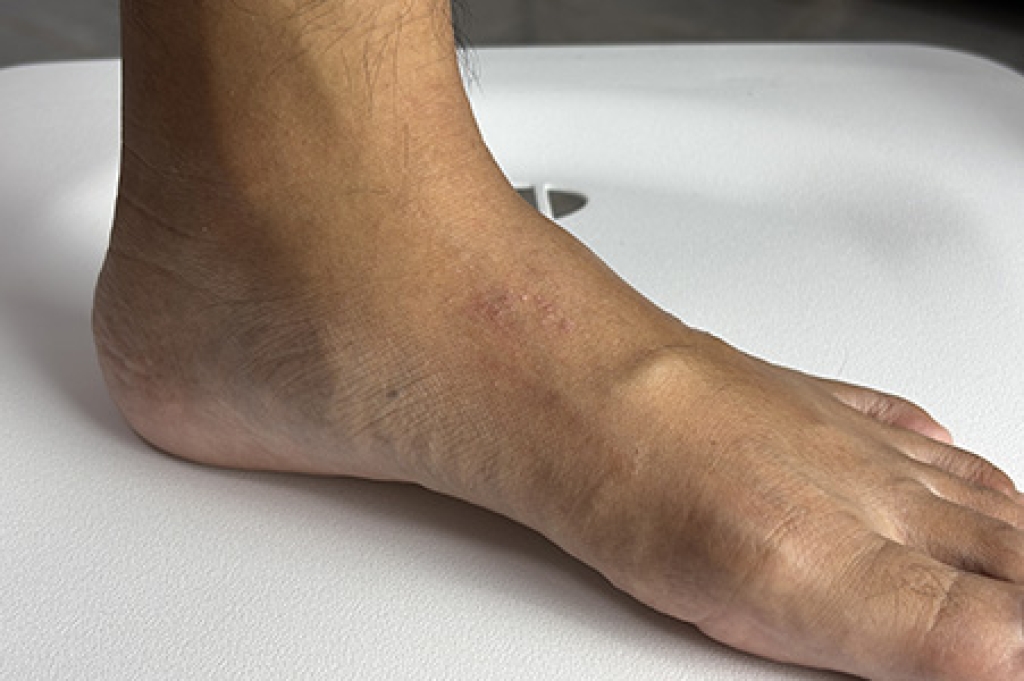
Reasons for a Lump on Top of the Foot

A lump on top of the foot can develop for many reasons, and it is important to have it examined to identify the cause. The human foot contains 26 bones, along with joints, tendons, and soft tissues, all of which may be involved. A soft, fluid-filled lump on top of the foot may be a ganglion cyst, often forming near tendons or joints. A lipoma is a harmless fatty lump beneath the skin. Hard lumps may result from bone spurs, which are bony overgrowths linked to arthritis or repetitive pressure. Fractures, including small stress fractures, can also create a painful bump in response to injury or overuse. Gout, which occurs when uric acid crystals collect in a joint, often produces a swollen, tender lump near the big toe. Other causes include tendonitis, bursitis, bunions, or, in rare cases, rheumatoid nodules or benign tumors. A podiatrist can examine the lump, determine its cause, and recommend appropriate treatment, which may include surgery. If you have an unexplained lump on top of your foot, it is suggested that you schedule an appointment with a podiatrist for an exam and treatment options.

Foot Pain

Foot pain can be extremely painful and debilitating. If you have a foot pain, consult with Thomas Bobrowski, DPM from InStride Crystal Coast Podiatry. Our doctor will assess your condition and provide you with quality foot and ankle treatment.

Causes

Foot pain is a very broad condition that could be caused by one or more ailments. The most common include:

  • Bunions
  • Hammertoes
  • Plantar Fasciitis
  • Bone Spurs
  • Corns
  • Tarsal Tunnel Syndrome
  • Ingrown Toenails
  • Arthritis (such as Gout, Rheumatoid, and Osteoarthritis)
  • Flat Feet
  • Injury (from stress fractures, broken toe, foot, ankle, Achilles tendon ruptures, and sprains)
  • And more

Diagnosis

To figure out the cause of foot pain, podiatrists utilize several different methods. This can range from simple visual inspections and sensation tests to X-rays and MRI scans. Prior medical history, family medical history, and any recent physical traumatic events will all be taken into consideration for a proper diagnosis.

Treatment

Treatment depends upon the cause of the foot pain. Whether it is resting, staying off the foot, or having surgery; podiatrists have a number of treatment options available for foot pain.

If you have any questions, please feel free to contact our office located in New Bern, NC . We offer the newest diagnostic and treatment technologies for all your foot care needs.

Read more about Foot Pain

Causes and Risk Factors for Achilles Tendinopathy

Achilles tendinopathy causes pain and stiffness in the Achilles tendon, which connects the calf muscles to the heel bone. Achilles tendinopathy often develops gradually, due to repeated strain on the tendon, especially in people who run or participate in sports that involve jumping. Overuse, poor training habits, and exercising on hard or sloped surfaces can increase the risk of tendon damage. Rapidly increasing workout intensity or wearing shoes that lack proper support may also place extra stress on the Achilles tendon. People with flat feet or limited ankle flexibility may be more vulnerable. Achilles tendinopathy tends to worsen with activity and can limit daily movement, especially after rest periods. A podiatrist can diagnose the cause of the pain and assess the extent of tendon damage. If you are experiencing pain in the Achilles tendon, it is suggested that you schedule an appointment with a podiatrist for a diagnosis and appropriate treatment options.

Achilles tendon injuries need immediate attention to avoid future complications. If you have any concerns, contact Thomas Bobrowski, DPM of InStride Crystal Coast Podiatry. Our doctor can provide the care you need to keep you pain-free and on your feet.

What Is the Achilles Tendon?

The Achilles tendon is a tendon that connects the lower leg muscles and calf to the heel of the foot. It is the strongest tendon in the human body and is essential for making movement possible. Because this tendon is such an integral part of the body, any injuries to it can create immense difficulties and should immediately be presented to a doctor.

What Are the Symptoms of an Achilles Tendon Injury?

There are various types of injuries that can affect the Achilles tendon. The two most common injuries are Achilles tendinitis and ruptures of the tendon.

Achilles Tendinitis Symptoms

  • Inflammation
  • Dull to severe pain
  • Increased blood flow to the tendon
  • Thickening of the tendon

Rupture Symptoms

  • Extreme pain and swelling in the foot
  • Total immobility

Treatment and Prevention

Achilles tendon injuries are diagnosed by a thorough physical evaluation, which can include an MRI. Treatment involves rest, physical therapy, and in some cases, surgery. However, various preventative measures can be taken to avoid these injuries, such as:

  • Thorough stretching of the tendon before and after exercise
  • Strengthening exercises like calf raises, squats, leg curls, leg extensions, leg raises, lunges, and leg presses

If you have any questions please feel free to contact our office located in New Bern, NC . We offer the newest diagnostic tools and technology to treat your foot and ankle needs.

Read more about Achilles Tendon Injuries

Common Foot Problems in Seniors

As people age, foot problems can become more frequent and affect mobility and comfort. Common foot issues for seniors include plantar fasciitis, which causes heel pain, arthritis that leads to joint stiffness, corns from pressure or friction, and diabetic foot problems that may result in poor healing or loss of sensation. Toenail issues, such as fungal infections or thickened nails, can also cause discomfort. These conditions may impact balance and increase the risk of falls. A podiatrist can help by diagnosing problems, providing treatment, recommending proper footwear, and managing chronic conditions. If you are experiencing ongoing foot pain or changes, it is suggested that you visit a podiatrist for expert care and support for your long-term foot health.

Proper foot care is something many older adults forget to consider. If you have any concerns about your feet and ankles, contact Thomas Bobrowski, DPM from InStride Crystal Coast Podiatry. Our doctor can provide the care you need to keep you pain-free and on your feet.

The Elderly and Their Feet

As we age we start to notice many changes in our body, but the elder population may not notice them right away. Medical conditions may prevent the elderly to take notice of their foot health right away. Poor vision is a lead contributor to not taking action for the elderly.

Common Conditions 

  • Neuropathy – can reduce feeling in the feet and can hide many life-threatening medical conditions.
  • Reduced flexibility – prevents the ability of proper toenail trimming, and foot cleaning. If left untreated, it may lead to further medical issues.
  • Foot sores – amongst the older population can be serious before they are discovered. Some of the problematic conditions they may face are:
  • Gouging toenails affecting nearby toe
  • Shoes that don’t fit properly
  • Pressure sores
  • Loss of circulation in legs & feet
  • Edema & swelling of feet and ankles

Susceptible Infections

Diabetes and poor circulation can cause general loss of sensitivity over the years, turning a simple cut into a serious issue.

If you have any questions, please feel free to contact our office located in New Bern, NC . We offer the newest diagnostic and treatment technologies for all your foot care needs.

Read more about Geriatrics and Podiatry

What to Know About Tarsal Tunnel Syndrome

Tarsal tunnel syndrome is caused by compression of the posterior tibial nerve as it passes through the tarsal tunnel on the inner side of the ankle. This pressure can lead to tingling, burning, numbness, or shooting pain in the foot or ankle. Causes include flat feet, injury, swelling, or underlying conditions like diabetes or arthritis. Risk factors include repetitive stress, improper footwear, and prolonged standing. A podiatrist can diagnose this condition using physical exams and imaging, then provide treatment options, such as orthotics or medication. If you notice ongoing foot pain or numbness, it is suggested that you consult a podiatrist who can accurately diagnose and treat tarsal tunnel syndrome. 

Tarsal tunnel syndrome can be very uncomfortable to live with. If you are experiencing tarsal tunnel syndrome, contact Thomas Bobrowski, DPM of InStride Crystal Coast Podiatry. Our doctor can provide the care you need to keep you pain-free and on your feet.

Tarsal Tunnel Syndrome

Tarsal tunnel syndrome, which can also be called tibial nerve dysfunction, is an uncommon condition of misfiring peripheral nerves in the foot. The tibial nerve is the peripheral nerve in the leg responsible for sensation and movement of the foot and calf muscles. In tarsal tunnel syndrome, the tibial nerve is damaged, causing problems with movement and feeling in the foot of the affected leg.

Common Cause of Tarsal Tunnel Syndrome

  • Involves pressure or an injury, direct pressure on the tibial nerve for an extended period of time, sometimes caused by other body structures close by or near the knee.
  • Diseases that damage nerves, including diabetes, may cause tarsal tunnel syndrome.
  • At times, tarsal tunnel syndrome can appear without an obvious cause in some cases.

The Effects of Tarsal Tunnel Syndrome

  • Different sensations, an afflicted person may experience pain, tingling, burning or other unusual sensations in the foot of the affected leg.
  • The foot muscles, toes and ankle become weaker, and curling your toes or flexing your foot can become difficult.
  • If condition worsens, infections and ulcers may develop on the foot that is experiencing the syndrome.

A physical exam of the leg can help identify the presence of tarsal tunnel syndrome. Medical tests, such as a nerve biopsy, are also used to diagnose the condition. Patients may receive physical therapy and prescriptive medication. In extreme cases, some may require surgery.

If you have any questions please contact our office located in New Bern, NC . We offer the newest diagnostic and treatment technologies for all your foot and ankle needs.

Read more about Tarsal Tunnel Syndrome

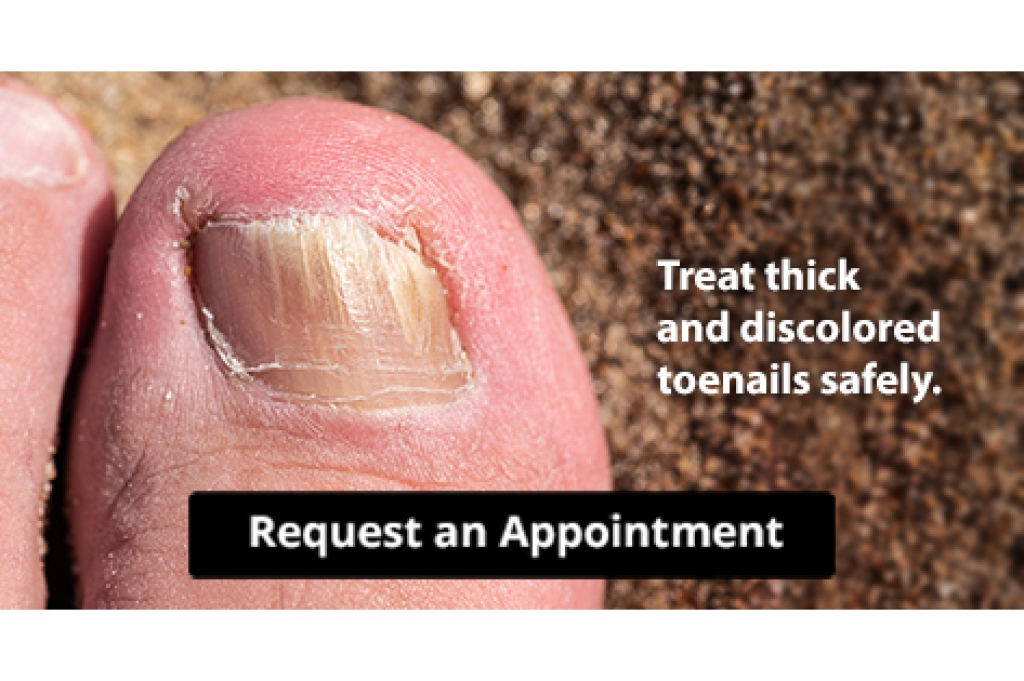
Stop Your Toenail Fungus

Have you noticed discoloration of your toenails? Have they become thickened or brittle? If so, you may be experiencing symptoms of a fungal nail infection. For some, having a fungal nail can be embarrassing. Overcome your embarrassment, and get treated.

Connect With Us

scroll to top