How Wearing High Heel Shoes Affect Foot Health

High heeled shoes can significantly affect the natural structure and function of the feet. As the heel height increases, more body weight shifts forward, placing greater pressure on the toes and the ball of the foot. This increased forefoot pressure may lead to discomfort, and may contribute to the development of foot deformities, over time. Conditions such as bunions, hammertoes, and nerve irritation may occur when the toes are forced into a narrow shoe space. Continued stress on the arch and heel may also contribute to plantar fasciitis, a painful inflammation of the connective tissue along the bottom of the foot. A podiatrist can evaluate foot alignment and provide supportive care. If you enjoy wearing high heels and have developed foot pain, it is suggested that you consult a podiatrist who can treat various foot and ankle conditions, and guide you toward more desirable shoes to wear.

High heels have a history of causing foot and ankle problems. If you have any concerns about your feet or ankles, contact Thomas Bobrowski, DPM from InStride Crystal Coast Podiatry. Our doctor can provide the care you need to keep you pain-free and on your feet.

Effects of High Heels on the Feet

High heels are popular shoes among women because of their many styles and societal appeal.  Despite this, high heels can still cause many health problems if worn too frequently.

Which Parts of My Body Will Be Affected by High Heels?

  • Ankle Joints
  • Achilles Tendon – May shorten and stiffen with prolonged wear
  • Balls of the Feet
  • Knees – Heels cause the knees to bend constantly, creating stress on them
  • Back – They decrease the spine’s ability to absorb shock, which may lead to back pain.  The vertebrae of the lower back may compress.

What Kinds of Foot Problems Can Develop from Wearing High Heels?

  • Corns
  • Calluses
  • Hammertoe
  • Bunions
  • Morton’s Neuroma
  • Plantar Fasciitis

How Can I Still Wear High Heels and Maintain Foot Health?

If you want to wear high heeled shoes, make sure that you are not wearing them every day, as this will help prevent long term physical problems.  Try wearing thicker heels as opposed to stilettos to distribute weight more evenly across the feet.  Always make sure you are wearing the proper shoes for the right occasion, such as sneakers for exercising.  If you walk to work, try carrying your heels with you and changing into them once you arrive at work.  Adding inserts to your heels can help cushion your feet and absorb shock. Full foot inserts or metatarsal pads are available. 

If you have any questions, please feel free to contact our office located in New Bern, NC . We offer the newest diagnostic and treatment technologies for all your foot care needs.
Read more about Effect of High Heels on the Feet

Ways Pregnancy Affects the Feet

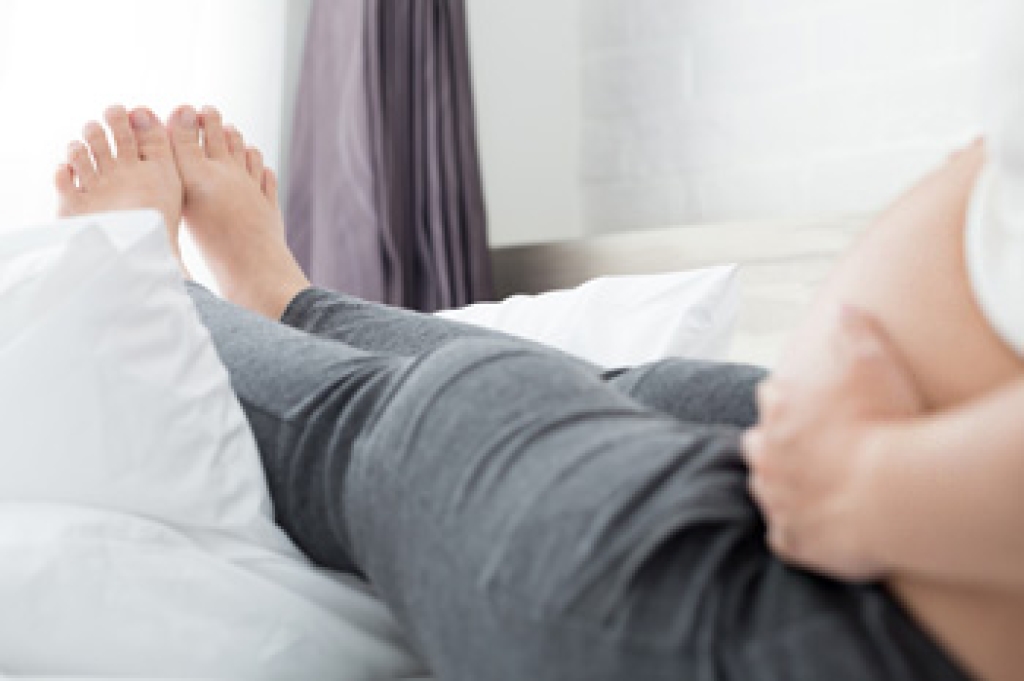
Pregnancy can cause several changes in the feet and ankles as the body adapts to support a growing baby. As weight increases, more pressure is placed on the feet, which may lead to pain, fatigue, and difficulty walking for long periods. Hormones released during pregnancy also loosen ligaments, the strong bands of tissue that connect bones. This loosening can cause the arches of the feet to flatten, making the feet appear longer or wider. Some women notice swelling in the feet and ankles because pregnancy can slow blood flow from the lower limbs back to the heart. Changes in posture may also occur as the body shifts its balance forward, placing added stress on the feet and ankles. These changes often become more noticeable in the later stages of pregnancy. A podiatrist can evaluate any structural changes, identify the cause of discomfort, and provide treatment to support foot health during pregnancy. If you have foot or ankle pain during pregnancy, it is suggested that you make an appointment with a podiatrist for an exam, diagnosis, and treatment.

Pregnant women with swollen feet can be treated with a variety of different methods that are readily available. For more information about other cures for swollen feet during pregnancy, consult with Thomas Bobrowski, DPM from InStride Crystal Coast Podiatry. Our doctor will attend to all of your foot and ankle needs.

What Foot Problems Can Arise During Pregnancy?

One problem that can occur is overpronation, which occurs when the arch of the foot flattens and tends to roll inward.  This can cause pain and discomfort in your heels while you’re walking or even just standing up, trying to support your baby.  

Another problem is edema, or swelling in the extremities. This often affects the feet during pregnancy but tends to occur in the later stages. 

How Can I Keep My Feet Healthy During Pregnancy?

  • Wearing orthotics can provide extra support for the feet and help distribute weight evenly
  • Minimize the amount of time spent walking barefoot
  • Wear shoes with good arch support
  • Wear shoes that allow for good circulation to the feet
  • Elevate feet if you experience swelling
  • Massage your feet
  • Get regular, light exercise, such as walking, to promote blood circulation to the feet

If you have any questions, please feel free to contact our office located in New Bern, NC . We offer the newest diagnostic and treatment technologies for all your foot care needs.
Read more about Pregnancy and Foot Health

Custom Orthotics For Outdoor Activity

Embrace the great outdoors with confidence and comfort! Whether you're hiking, jogging, or exploring nature, Custom Orthotics are your perfect companion. Tailored to your foot's unique needs, they provide stability on uneven terrains and cushioning for those longer adventures. Don't let foot discomfort limit your outdoor experiences. With Custom Orthotics, every step is supported and secure. Call today to schedule an appointment.

Why Is My Big Toe Numb?

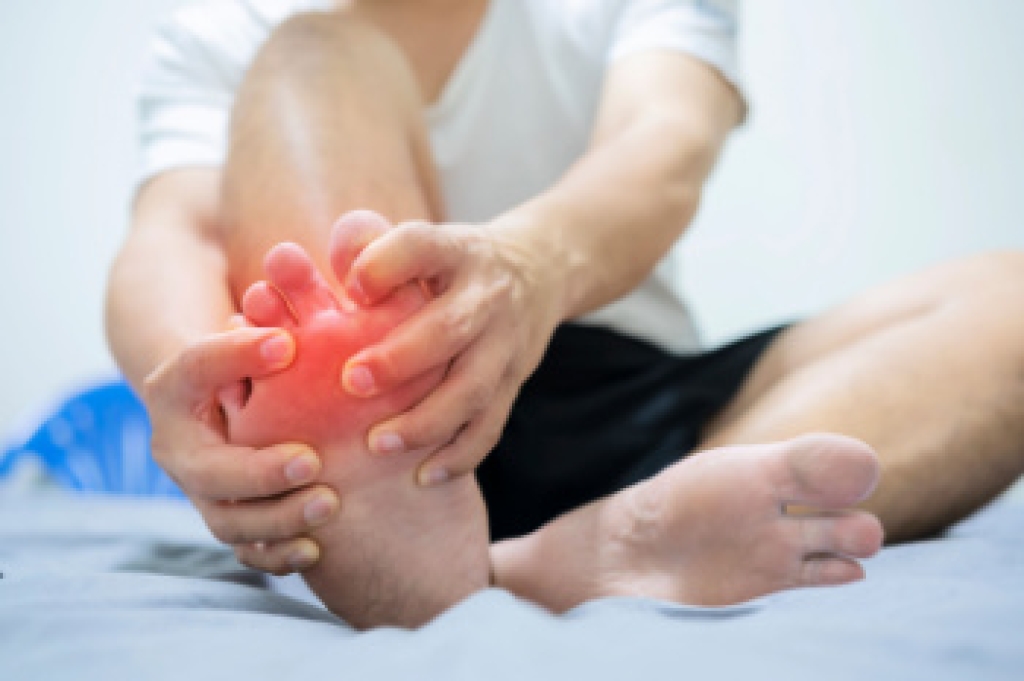
Numbness in the big toe can develop when nerves that supply sensation become irritated, compressed, or damaged. Common causes include injury to the foot, nerve damage, bunions that place pressure on nearby nerves, and wearing tight-fitting shoes that restrict normal circulation and nerve function. Chronic health conditions like diabetes may also contribute to nerve-related changes that lead to numbness. Risk factors include repetitive pressure on the foot, poor footwear choices, structural foot problems, and underlying medical conditions. Symptoms may include tingling, reduced sensation, burning discomfort, or weakness in the toe area. A podiatrist can evaluate nerve health, foot structure, and footwear habits to guide treatment and relieve pressure on affected nerves. If numbness persists, it is suggested that you consult a podiatrist who can offer effective relief and treatment solutions.

Toe pain can disrupt your daily activities. If you have any concerns, contact Thomas Bobrowski, DPM of InStride Crystal Coast Podiatry. Our doctor can provide the care you need to keep you pain-free and on your feet.

What Causes Toe Pain?

Most severe toe pain is caused due to a sports injury, trauma from dropping something heavy on the toe, or bumping into something rigid. Other problems can develop over time for various reasons.

Toe pain can be caused by one or more ailments. The most common include:

  • Trauma
  • Sports injury
  • Wearing shoes that are too tight
  • Arthritis
  • Gout
  • Corns and calluses
  • Hammertoe
  • Bunions
  • Blisters
  • Ingrown toenails
  • Sprains
  • Fractures (broken bones)
  • Dislocations

When to See a Podiatrist

  • Severe pain
  • Persistent pain that lasts more than a week
  • Signs of infection
  • Continued swelling
  • Pain that prevents walking

Diagnosis

In many cases the cause of toe pain is obvious, but in others, a podiatrist may want to use more advanced methods to determine the problem. These can range from simple visual inspections and sensation tests to X-rays and MRI scans. Prior medical history, family medical history, and any recent physical traumatic events will all be taken into consideration for a proper diagnosis.

Treatment

Treatments for toe pain and injuries vary and may include shoe inserts, padding, taping, medicines, injections, and in some cases, surgery. If you believe that you have broken a toe, please see a podiatrist as soon as possible.

If you have any questions please contact our office located in New Bern, NC . We offer the newest diagnostic and treatment technologies for all your foot and ankle needs.

Read more about Toe Pain

Treating Achilles Tendinopathy With Orthotics

Achilles tendinopathy refers to pain and irritation in the large tendon that connects the calf muscles to the heel. This condition is often caused by repeated strain, tight calf muscles, sudden increases in activity, or foot alignment problems that place extra stress on the tendon. Symptoms include aching or sharp pain just above the heel, stiffness in the back of the ankle, swelling, and pain that grows worse with activity or after long periods of standing. When the tendon is under repeated pressure, the body tries to protect the area, which can slow normal movement and lead to ongoing discomfort. Orthotics are devices placed inside shoes that can support the foot’s arches, help control excessive motion, and improve how weight shifts during walking or running. By supporting proper foot alignment, orthotics can help reduce strain on the Achilles tendon and support the body’s ability to move more comfortably. If lower leg pain continues or interferes with your daily activities, it is suggested that you contact a podiatrist to schedule an evaluation and learn if orthotics are recommended for relief. 

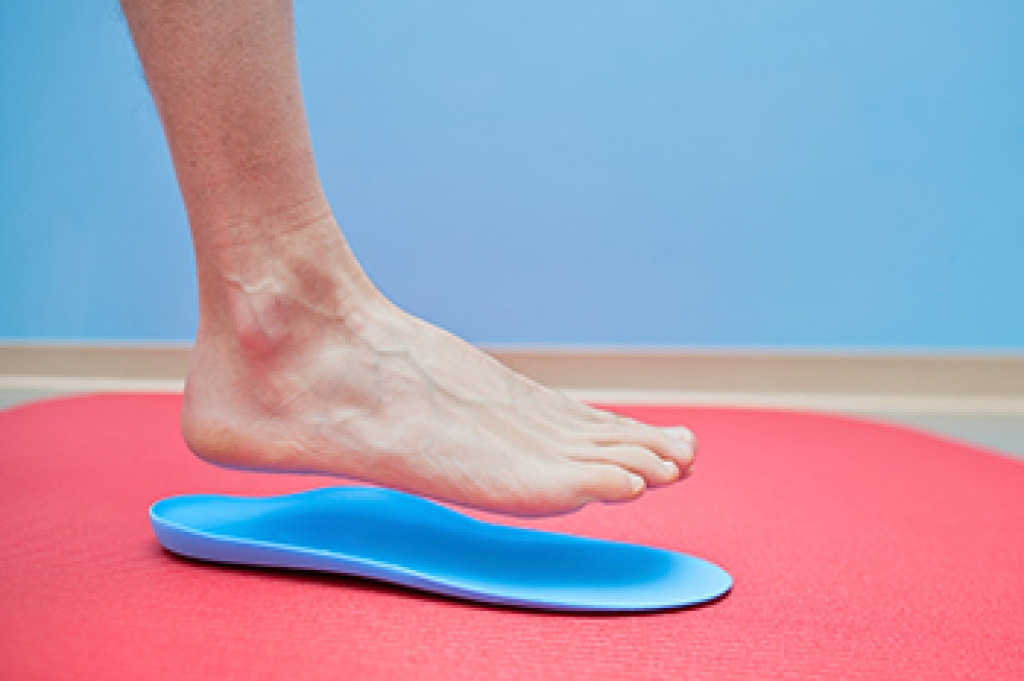
Custom orthotics are specialized shoe inserts created to support and align the feet according to each person’s unique structure and walking pattern. They are an effective way to relieve foot discomfort caused by conditions such as flat feet, high arches, plantar fasciitis, bunions, and heel pain. When the natural alignment of the foot is off balance, it can lead to pressure points, strain, and pain that affect how a person stands, walks, and moves. Orthotics work by redistributing weight evenly and supporting the arch to reduce stress on the muscles, tendons, and joints of the feet and lower legs.

Foot discomfort can develop for many reasons, including wearing improper footwear, long hours of standing, repetitive motion, or underlying structural problems. Over time, this discomfort can extend beyond the feet, contributing to knee, hip, or lower back pain. Custom orthotics help correct these issues by improving alignment and promoting more efficient movement. They are made using precise measurements and imaging to ensure the best fit for each patient, providing targeted support and cushioning where it is needed most.

Unlike generic insoles, custom orthotics are durable, medically designed, and tailored to your specific needs. Whether you are managing chronic pain, recovering from an injury, or simply seeking better comfort and stability, orthotics can make a noticeable difference in how your feet feel throughout the day.

If you are experiencing persistent foot discomfort or fatigue, it may be time to have your feet evaluated by a podiatrist. Call our office today for more information or to schedule an appointment.

If you have any questions, please feel free to contact our office located in New Bern, NC

Read more about Sole Marketing Supporting Our Feet

Connect With Us

scroll to top