Risk Factors for Achilles Tendon Tears

Achilles tendon tears are among the most frequent tendon injuries. They often occur suddenly during physical activity that involves rapid pushing off, jumping, or changing direction. Risk is higher in active middle-aged men, particularly during sports like basketball, though non-sport-related tears are more common in older people. A history of ongoing Achilles tendon pain or degeneration increases vulnerability, as does advancing age, which can reduce tendon strength and flexibility. Certain medical conditions, including diabetes, inflammatory joint disease, and metabolic disorders, may weaken the tendon over time. Some medications, such as specific antibiotics or long-term corticosteroids, have also been linked to a higher risk. Tears typically cause sudden pain, swelling, and difficulty pushing off the foot. A podiatrist can assess symptoms, perform clinical testing, confirm the diagnosis, and guide appropriate treatment to restore strength and function. If you believe you have torn your Achilles tendon, it is suggested that you make an appointment with a podiatrist for help.

Achilles tendon injuries need immediate attention to avoid future complications. If you have any concerns, contact Thomas Bobrowski, DPM of InStride Crystal Coast Podiatry. Our doctor can provide the care you need to keep you pain-free and on your feet.

What Is the Achilles Tendon?

The Achilles tendon is a tendon that connects the lower leg muscles and calf to the heel of the foot. It is the strongest tendon in the human body and is essential for making movement possible. Because this tendon is such an integral part of the body, any injuries to it can create immense difficulties and should immediately be presented to a doctor.

What Are the Symptoms of an Achilles Tendon Injury?

There are various types of injuries that can affect the Achilles tendon. The two most common injuries are Achilles tendinitis and ruptures of the tendon.

Achilles Tendinitis Symptoms

  • Inflammation
  • Dull to severe pain
  • Increased blood flow to the tendon
  • Thickening of the tendon

Rupture Symptoms

  • Extreme pain and swelling in the foot
  • Total immobility

Treatment and Prevention

Achilles tendon injuries are diagnosed by a thorough physical evaluation, which can include an MRI. Treatment involves rest, physical therapy, and in some cases, surgery. However, various preventative measures can be taken to avoid these injuries, such as:

  • Thorough stretching of the tendon before and after exercise
  • Strengthening exercises like calf raises, squats, leg curls, leg extensions, leg raises, lunges, and leg presses

If you have any questions please feel free to contact our office located in New Bern, NC . We offer the newest diagnostic tools and technology to treat your foot and ankle needs.


Read more about What are Achilles Tendon Injuries

Custom Orthotics For Foot and Heel Pain

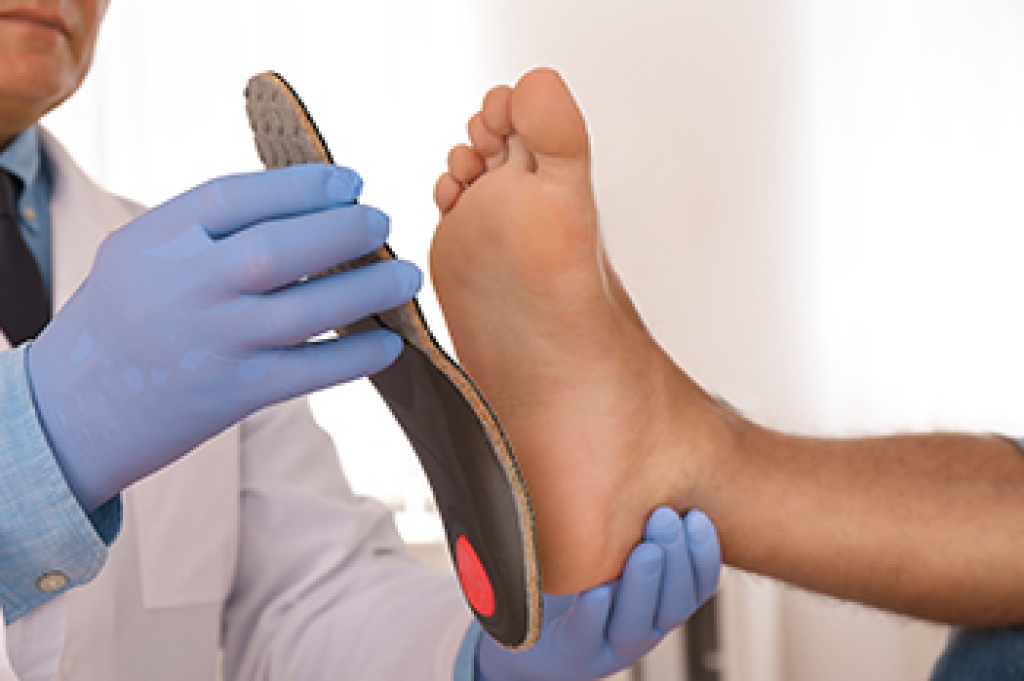
Step into relief and reclaim your mobility! Foot and heel pain can be a thing of the past with the right Custom Orthotics. Customized to your unique foot structure, they provide the support and alignment needed to alleviate discomfort. Whether you're walking, running, or simply standing, Custom Orthotics ensure every step is cushioned and pain-free. Don't let foot ailments dictate your day. With Custom Orthotics, embrace a world of comfort and freedom. Call today to schedule an appointment.

When Ankle Sprains Do Not Fully Heal

Chronic ankle instability often develops after repeated ankle sprains that never fully recover. People may notice frequent rolling of the ankle, weakness, swelling, or a feeling that the joint cannot be trusted. To better understand risk and recovery, podiatrists look at both movement and daily function. Simple balance testing can show how well the ankle controls motion during standing and reaching tasks, which reflects real world stability. Self-reported questionnaires help capture how the ankle feels during normal activities such as walking, standing, or climbing stairs. When poor balance is paired with difficulty performing everyday tasks, the likelihood of long-term instability increases. Using both physical testing and patient feedback provides a clearer picture than either approach alone. This combined information helps guide treatment and reduce repeat injury. If ankle weakness or repeated sprains continue, it is suggested that you see a podiatrist for a proper evaluation and appropriate treatment.

Although ankle sprains are common, they aren’t always minor injuries. If you need your ankle injury looked at, contact Thomas Bobrowski, DPM from InStride Crystal Coast Podiatry. Our doctor can provide the care you need to keep you pain-free and on your feet.

How Does an Ankle Sprain Occur?

Ankle sprains are the result of a tear in the ligaments within the ankle. These injuries may happen when you make a rapid shifting movement while your foot is planted. A less common way to sprain your ankle is when your ankle rolls inward while your foot turns outward.

What Are the Symptoms?

  • Pain at the sight of the tear
  • Bruising/Swelling
  • Ankle area is tender to touch
  • In severe cases, may hear/feel something tear
  • Skin discoloration

Preventing a Sprain

  • Wearing appropriate shoes for the occasion
  • Stretching before exercises and sports
  • Knowing your limits

Treatment of a Sprain

In many cases, the RICE method (Rest, Ice, Compression, and Elevate) is used to treat ankle sprains. However, you should see a podiatrist to see which treatment option would work best with your injury. In severe cases, surgery may be required.

It is important to ask your doctor about rehab options after you receive treatment for your injury. Stretching, strength training, and balance exercises may help the ankle heal while also preventing further injury.

If you have any questions, please feel free to contact our office located in New Bern, NC . We offer the newest diagnostic and treatment technologies for all your foot care needs.

Read more about Ankle Sprains

Orthotics for Diabetic Foot Prevention and Management

Orthotics play an important role in the prevention and management of diabetic foot problems by reducing pressure and protecting sensitive areas of the feet. Proper support helps distribute weight evenly, which can lower the risk of skin breakdown, calluses, and ulcers. Orthotics may also improve foot alignment and stability, making walking safer and more comfortable for people with diabetes. By minimizing friction and stress, these devices support healthier skin and tissue function. A podiatrist can help by evaluating foot structure, circulation, and risk factors to design custom orthotics that meet individual needs. Ongoing care includes regular foot exams and adjustments to ensure continued protection. If you have diabetes and want to protect your feet from complications, it is strongly suggested that you schedule a podiatry consultation to learn how custom orthotics can help manage this serious condition.

Custom orthotics are specialized shoe inserts created to support and align the feet according to each person’s unique structure and walking pattern. They are an effective way to relieve foot discomfort caused by conditions such as flat feet, high arches, plantar fasciitis, bunions, and heel pain. When the natural alignment of the foot is off balance, it can lead to pressure points, strain, and pain that affect how a person stands, walks, and moves. Orthotics work by redistributing weight evenly and supporting the arch to reduce stress on the muscles, tendons, and joints of the feet and lower legs.

Foot discomfort can develop for many reasons, including wearing improper footwear, long hours of standing, repetitive motion, or underlying structural problems. Over time, this discomfort can extend beyond the feet, contributing to knee, hip, or lower back pain. Custom orthotics help correct these issues by improving alignment and promoting more efficient movement. They are made using precise measurements and imaging to ensure the best fit for each patient, providing targeted support and cushioning where it is needed most.

Unlike generic insoles, custom orthotics are durable, medically designed, and tailored to your specific needs. Whether you are managing chronic pain, recovering from an injury, or simply seeking better comfort and stability, orthotics can make a noticeable difference in how your feet feel throughout the day.

If you are experiencing persistent foot discomfort or fatigue, it may be time to have your feet evaluated by a podiatrist. Call our office today for more information or to schedule an appointment.

If you have any questions, please feel free to contact our office located in New Bern, NC

Read more about Sole Marketing Foot Discomfort

Cold Feet May Be a Sign of Raynaud’s Syndrome

Persistently cold feet are not always related to weather and can sometimes signal Raynaud's syndrome, a condition that affects blood flow to the toes. Raynaud's causes small blood vessels to narrow excessively in response to cold or stress, leading to pale or bluish skin, numbness, tingling, and aching sensations. During an episode, toes may feel stiff or painful, and normal color and warmth can take time to return. Over time, repeated episodes can increase the risk of skin breakdown, slow healing, or ulcer formation, particularly in people with circulation or nerve issues. A podiatrist can evaluate circulation in the feet, review symptom patterns, rule out other causes of discolored toes, and assess severity. Treatment may focus on foot health, monitoring skin changes, and managing complications. For help dealing with chronically cold feet, it is suggested that you make an appointment with a podiatrist for an exam, diagnosis, and treatment.

When dealing with systemic disease of the feet, it is extremely important to check the affected areas routinely so that any additional problems are caught quickly.  If you have any concerns about your feet and ankles contact Thomas Bobrowski, DPM from InStride Crystal Coast Podiatry. Our doctor will assist you with all of your podiatric needs.

Systemic Diseases of the Feet

Systemic diseases affect the whole body, and symptoms usually are displayed in the feet. This condition can make a patient’s ability to walk unbearable.  Systemic diseases include gout, diabetes mellitus, neurological disorders, and arthritis.

Gout – is caused by an excess of uric acid in the body. Common symptoms include pain, inflammation, and redness at the metatarsal/phalangeal joint of the base big toe. Gout can be treated by NSAIDs to relieve pain and inflammation, and other drugs that lower the acid levels in the body.

Diabetes mellitus – is an increase in the level of blood sugar that the body cannot counteract with its own insulin. Failure to produce enough insulin is a factor in Diabetes.

Diabetes of the Feet

Diabetic Neuropathy – may lead to damaged nerves and affect the feet through numbness and loss of sensation.

Peripheral Vascular Disease – can restrict the blood flow to the feet, and often times lead to amputation of the feet. 

If you have any questions please contact our office located in New Bern, NC . We offer the newest diagnostic and treatment technologies for all your foot and ankle needs.

Read more about Systemic Diseases of the Foot

Connect With Us

scroll to top